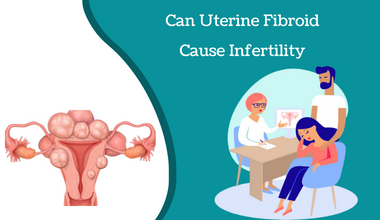

Many factors can influence your ability to conceive and deliver a healthy kid. Uterine fibroids are a risk factor that affects 20-50 percent of reproductive-age women and 50-80 percent of women. They are a prevalent ailment that frequently runs in families. If your mother has fibroids, you are likely to have them. Fibroids are prevalent; up to 80% of women with uteruses will develop fibroids throughout their reproductive years. This article will go through when and how uterine fibroids can cause infertility, how to treat fibroids, and the chances of getting pregnant if you have fibroids.
Table of Contents
ToggleWhat are Fibroids and Fertility?
- Many women with fibroids are still able to conceive on their own. According to the Society for Reproductive Medicine, fibroids are found in 5 per cent to 10% of infertile women. Only 1% to 3% of patients with fibroids suffer infertility. Fibroids do not cause infertility in most persons.
- Depending on the size, location, and kind of fibroids, they can affect your fertility. Submucosal fibroids, a form of fibroid that bulges into and grows in the uterine cavity’s lining, may have a role in infertility and pregnancy loss.
- Fibroids might affect fertility depending on where they are located. Some fibroids, for example, can block the fallopian tubes or alter the curvature of the uterus, preventing embryo implantation. Fibroid size can also affect fertility. Fibroids in the uterus greater than four centimeters in diameter are linked to a reduced pregnancy rate.
Uterine Fibroid: Can they cause Infertility?
- It is a complicated situation. According to estimates, roughly 5-10% of infertile women have fibroids, which might cause issues depending on their size and location. Fibroids that are particularly large and greater than 6 cm in diameter and those positioned inside the uterine cavity are two examples of fibroids that may interfere with your skill to become pregnant and bring a strong baby.
- According to studies, submucosal fibroids that extend into the uterus are the most common cause of infertility. Large fibroids that restrict the entrance of the fallopian tubes entering the uterus are an exception. The majority of women with fibroids even have a chance of successful pregnancy with fibroids. Before seeking treatment for fibroids, a woman and her spouse should determine if there are any other variables at play. Your fertility specialist can determine if fibroids are a problem and whether treatment is required.
Get best & Straightforward Method to cure both Male & Female Infertility
How do uterine fibroids cause infertility?
Fibroids can have a number of effects on your fertility. Here are several examples:
- Fibroids can obstruct fallopian tubes, making it difficult or impossible for a fertilized egg to reach and implant in the uterus.
- Fibroids can cause changes in the shape of the cervix, impacting the amount of sperm that enter the uterus.
- Fibroids can hinder sperm motility or embryo implantation by changing the shape of the uterus.
- Fibroids can affect the thickness of the uterine lining.
- Fibroids impair blood flow to the uterus.
Treatment for Fibroids and Fertility:
- Many people who have uterine fibroids question if having them treated or removed will help them conceive. The majority of women with uterine fibroids can conceive without therapy.
- Fibroids can make it difficult to conceive or even induce miscarriage depending on their location, size, and kind. Fibroids that deform the interior of the uterus might make implantation difficult. If fibroids restrict the fallopian tube, cervix, or uterine cavity, sperm migration and fertilizations of the egg may be blocked.
- Suppose you have fibroids and are having trouble conceiving. In that case, you should get basic fertility tips on getting pregnant with fibroids, out what is causing your infertility and what therapies you might require.
- Your doctor may also recommend you to a fertility clinic. You and your spouse will be evaluated by a reproductive endocrinologist, who will do additional tests to confirm the cause of infertility and talk to you about the next steps.
- Your OB-GYN or RE will propose various treatments to help you get and stay pregnant if infertility has been established. There are also the best IVF treatments that you may need to consider because they offer you the best results.
Bottom Line:
Finally, fibroids in the uterus are a common occurrence. Depending on their location, size, and other variables, they seldom impair fertility or cause pregnancy difficulties, but they can. Certain treatments can help you keep your fertility.
Frequently Asked Questions
Q1: Can uterine fibroids cause infertility?
A1: Not all fibroids cause infertility, but those inside the uterine cavity (submucosal) or large fibroids can block fallopian tubes, distort the uterus, and prevent embryo implantation.
Q2: What are the symptoms of uterine fibroids?
A2: Heavy or prolonged periods, pelvic pain, frequent urination, constipation, lower back pain, and difficulty conceiving. Some women have fibroids with no symptoms at all.
Q3: How are uterine fibroids diagnosed?
A3: Fibroids are diagnosed through pelvic ultrasound, MRI, hysteroscopy, or sonohysterography. Your gynecologist may discover them during a routine checkup or fertility evaluation.
Q4: Can I do IVF with uterine fibroids?
A4: It depends on the fibroid’s size and location. Small fibroids outside the uterine cavity usually don’t affect IVF. Submucosal fibroids may need removal before starting IVF treatment.
Q5: What treatment options exist for fibroids affecting fertility?
A5: Options include myomectomy (surgical removal), hormonal medication, uterine artery embolization, or proceeding directly with IVF, depending on fibroid characteristics. Your doctor will advise.