
Deciding to stop birth control is an exciting step, and it often comes with questions. Will conception happen quickly, or will your body need time to adjust? For most women the answer is reassuring. Contraception does not cause lasting damage to fertility, and the way your body responds depends on the method you used and on your own cycle.
Table of Contents
ToggleHow Soon Can You Conceive After Stopping?
Ovulation can return within days or weeks after you stop most methods, which means pregnancy is possible almost immediately. The timeline differs by method, so it helps to know what to expect from yours.
How Fertility Returns With Different Methods

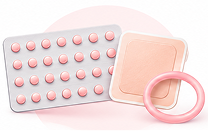
Pills, patches and rings
Many women ovulate within one to three months, and some ovulate in the very first cycle after stopping.
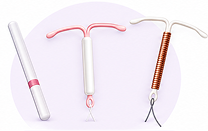
Implants and IUDs
Fertility usually returns soon after removal, whether the device was hormonal or copper.
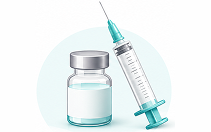
The contraceptive injection
This is the exception. Ovulation can take several months to return, and for some women it takes a year or longer after the last injection.
What Happens to Your Cycle
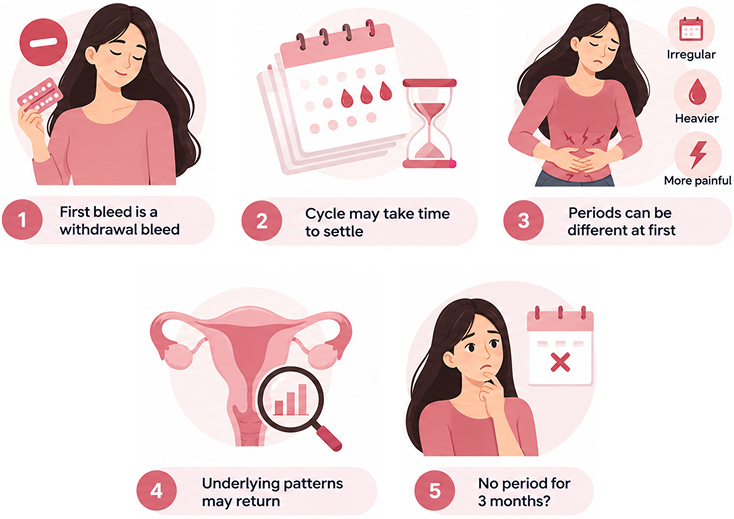
The first bleed after stopping the pill is often a withdrawal bleed, which is not a true period. Your natural cycle may take a few months to settle, and it is common for periods to be irregular, heavier or more painful at first. Hormonal methods can also hide underlying patterns, so cycles that were irregular before you started may become irregular again. This does not mean the method harmed you. It means your natural rhythm is visible again. If you have no period at all for three months after stopping, speak to your doctor.
Do You Need to Wait Before Trying?
There is no medical need to wait for a natural period before trying to conceive. Older advice to wait a few cycles has not held up. Some women still prefer to wait for one natural period, since it makes dating a pregnancy easier. Remember that ovulation can happen before your first natural period, so pregnancy is possible even if you have not bled yet.
Preparing Your Body for Pregnancy
There is no medical need to wait for a natural period before trying to conceive. Older advice to wait a few cycles has not held up. Some women still prefer to wait for one natural period, since it makes dating a pregnancy easier. Remember that ovulation can happen before your first natural period, so pregnancy is possible even if you have not bled yet.
When Conception Takes Longer
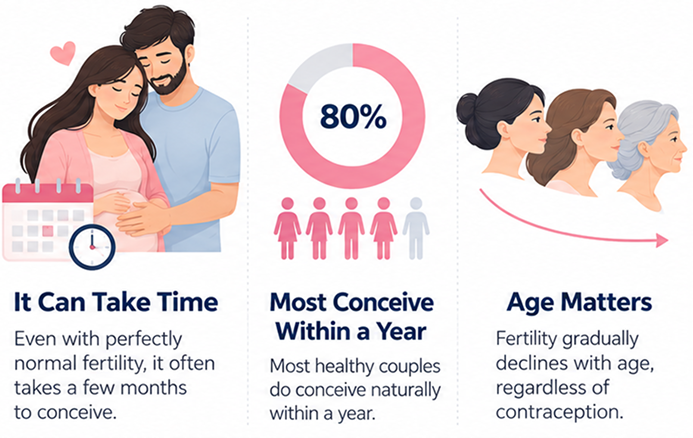
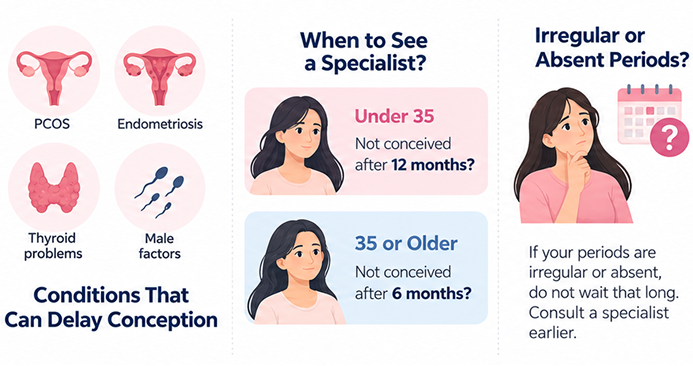
Even with perfectly normal fertility, it often takes a few months to conceive, and most healthy couples do within a year. Age matters, since fertility gradually declines with time regardless of contraception. Conditions such as PCOS, endometriosis, thyroid problems and male factors can also delay conception. If you are under 35 and have not conceived after 12 months, or you are 35 or older and have not conceived after 6 months, it is time to see a specialist. If your periods are irregular or absent, do not wait that long.
How Candor IVF Center Evaluates Delayed Conception
If conception is taking longer than expected after you stop contraception, finding the reason matters more than assuming. At Candor IVF Center, the evaluation begins with your history, including which method you used and for how long, your cycle pattern and your general health. Your doctor then selects tests according to your needs. These can include ovulation tracking, an ultrasound of the uterus and ovaries and hormone tests for the woman, and a semen analysis for the partner. Not everyone needs every test, and the findings help your doctor recommend the simplest next step.
FAQ
Can I get pregnant in the first month after stopping the pill?
Yes. Ovulation can return in the first cycle, so pregnancy is possible straight away.
Can long-term birth control cause infertility?
No. Contraception does not cause lasting infertility. Delays usually reflect age or an underlying condition.
How long does the contraceptive injection take to wear off?
Fertility can take several months to return, and sometimes a year or more.
Is it normal to have irregular periods after stopping?
Yes. Cycles often take a few months to settle.
Should I wait for a period before trying to conceive?
There is no medical need to wait, although a natural period makes dating a pregnancy easier.
Can I use ovulation kits straight after stopping?
Yes, but irregular cycles at first can make timing harder, so use them alongside other signs.
Planning Your Next Chapter
Stopping birth control is the start of a new phase, and your body usually responds faster than expected. Give your cycle a few months to settle, look after your health and track what you notice. If things feel uncertain at any point, you do not have to wait in silence. A conversation with a fertility specialist, such as the doctors at Candor IVF Center, can give you clear answers and a plan that suits you.