
If your doctor has suggested an HSG, it is natural to feel a little nervous. In reality, it is a short, widely used test that shows two things that matter for conception: the shape of your uterus and the condition of your fallopian tubes. Knowing what to expect makes the day much easier.
Table of Contents
ToggleWhat Is an HSG Test?
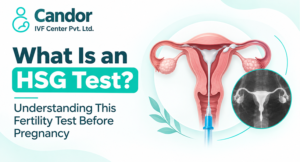
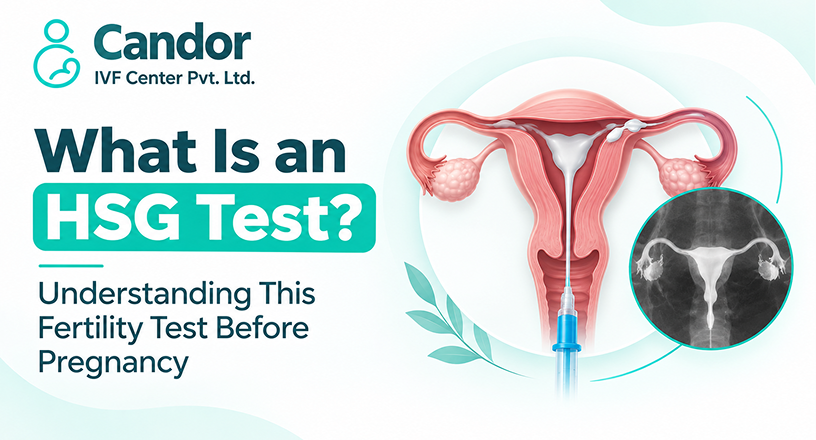
HSG stands for hysterosalpingography. A thin tube is passed through the cervix, a contrast dye is gently introduced into the uterus, and X-ray images follow the dye as it fills the uterine cavity and travels along the fallopian tubes. If the tubes are open, the dye spills out of their ends. If something blocks them, the dye stops, and the images show where.
Why Doctors Recommend It

Checking whether the tubes are open
The egg and sperm need open fallopian tubes to meet, so a blockage can prevent natural conception.

Looking for uterine problems
Polyps, fibroids, scar tissue or a dividing wall inside the uterus can show up on the images.

Finding a cause for delay
It is often advised when pregnancy has not occurred and the reason is unclear.
After certain histories
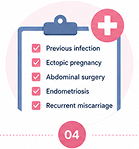
Previous pelvic infection, an ectopic pregnancy, abdominal surgery, endometriosis or recurrent miscarriage can all prompt the test.

Before some treatments
Your doctor may want to confirm that the tubes are open before planning treatments such as IUI.

When Is the Test Done?
HSG is usually done in the first half of your cycle, after your period has stopped and before ovulation. This timing avoids the chance of a pregnancy and gives a clear view of the uterine lining. It is not done if you might be pregnant or have an active pelvic infection, and you should tell your doctor about any allergy to contrast dye or iodine.
What Happens on the Day
Before
Your doctor will explain the procedure and may suggest a pain-relief tablet beforehand. Follow any instructions about avoiding intercourse earlier in the cycle.
During
You lie on the X-ray table and a speculum is placed, as in a routine check-up. The dye is introduced slowly, and a few images are taken. The procedure itself takes around 15 to 30 minutes. Many women feel period-like cramping as the dye fills the uterus, which usually eases quickly.
After
Mild cramping, light spotting and a watery discharge for a day or two are common, and most women return to normal activities the same day. Contact your doctor if you develop fever, severe pain or foul-smelling discharge.
Understanding the Results
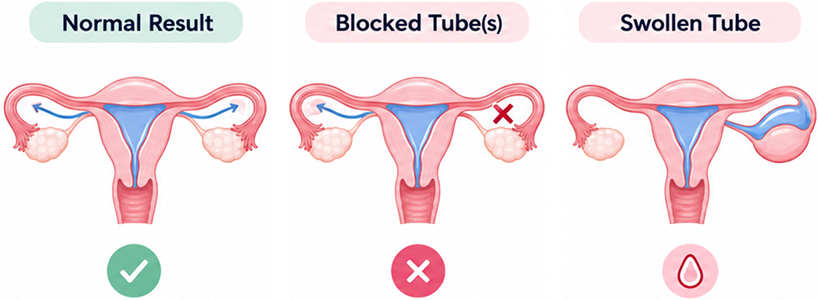
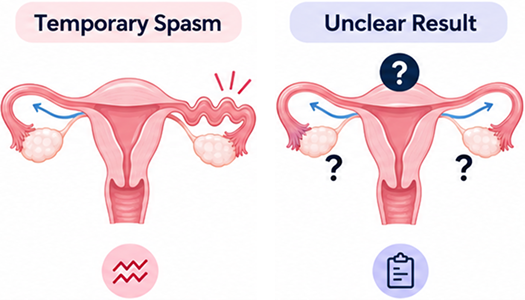
A normal result shows a uterine cavity of regular shape and dye passing freely through both tubes. If the dye does not pass, one or both tubes may be blocked, and a swollen tube can appear on the images. Sometimes the tube muscle tightens from discomfort and mimics a blockage, so an unclear result may lead to a repeat test or another procedure, such as hysteroscopy or laparoscopy, for confirmation.
Risks and Alternatives
HSG is generally safe. Infection, an allergic reaction to the dye and a small dose of radiation are the main concerns, and serious complications are uncommon. If X-rays are unsuitable for you, a saline ultrasound test can also check tube patency without radiation, and a laparoscopy can assess the tubes directly.
How Candor IVF Center Decides Whether You Need an HSG
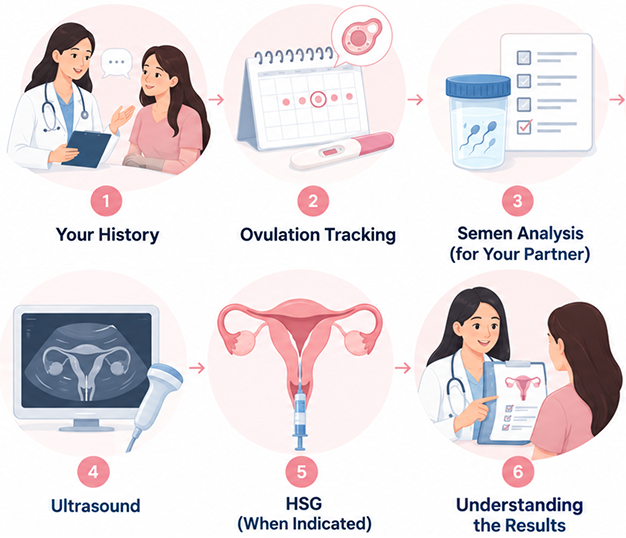
An HSG is one tool among several, and not every couple needs it. At Candor IVF Center, the decision begins with your history, including how long you have been trying, your cycles, any past infections or surgery and any earlier pregnancies. Your doctor then selects tests according to your needs, which can include ovulation tracking, a semen analysis for your partner, an ultrasound and, where the history points to a tubal or uterine cause, an HSG. Your doctor then explains what the result means.
FAQ
Is an HSG painful?
Most women feel cramping similar to period pain for a short time. A pain-relief tablet before the test can help.
How long does the test take?
The procedure itself takes around 15 to 30 minutes, and you can usually go home afterwards.
Can I have an HSG during my period?
No. It is done after bleeding stops and before ovulation, when pregnancy is unlikely.
What if the HSG shows a blocked tube?
Your doctor will confirm the finding and discuss options, which may include surgery or IVF depending on the situation.
Is an HSG safe?
Generally yes. Serious complications are uncommon, though it is not suitable during pregnancy or an active pelvic infection.
Can an HSG improve my chances of getting pregnant?
Some women conceive in the following months, but the test is meant to diagnose, not to treat.
Knowledge Before the Next Step
An HSG may sound daunting, but it is brief and gives clear answers about your tubes and uterus, which can save months of uncertainty. If you have been advised to have one, ask your doctor about timing and preparation. If you are unsure whether you need it, a fertility specialist can help you decide.

Dr. Jaydev Dhameliya is an IVF consultant and reproductive medicine specialist with over 17 years of clinical experience helping couples on their journey to parenthood. He holds an MBBS and DGO, and is a Fellow in Minimal Access Surgery (FMAS), a trained laparoscopic surgeon. As Founder and Director of Candor IVF, he specialises in IVF, infertility treatment, laparoscopic gynaecological surgery, and high-risk pregnancy management. Every article he authors or reviews reflects current medical evidence and his hands-on patient experience.