


A late period during a stressful month can feel like a second worry stacked on top of the first. The link is real, though. Stress can delay your period, and understanding why helps you stay calm and know when a check-up, is worth booking.
Table of Contents
ToggleHow Stress Interferes With Your Cycle
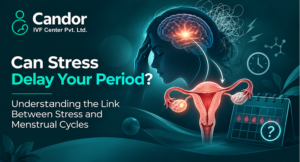
Your cycle is controlled by a chain of signals between the brain and the ovaries. When you are under stress, your body releases cortisol, which can quiet the brain signals that trigger ovulation. Ovulation then comes late or does not happen that month. Since a period usually arrives about two weeks after ovulation, a delayed ovulation means a delayed period. The delay is the body’s response to pressure and does not mean anything is wrong with your reproductive system.
What a Stress-Related Change Looks Like
A late or skipped period: The delay is often a few days to a couple of weeks, and occasionally a full cycle is missed.
A lighter or heavier flow: Bleeding may change in amount or duration.
Spotting between periods: Light bleeding can appear when hormone levels shift.
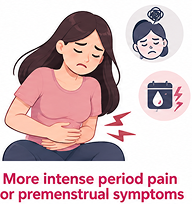
More intense period pain or premenstrual symptoms: Cramps and mood changes may feel stronger.
Other Pressures on Your Body That Count as Stress
Stress is not only emotional. Your body reacts in a similar way to physical strain.
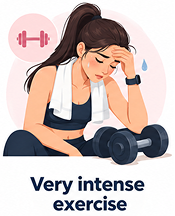
Very intense exercise: Heavy training without enough fuel can suppress ovulation.
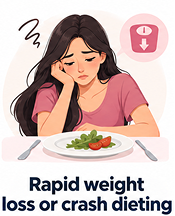
Rapid weight loss or crash dieting: Eating too little signals the body to pause reproduction.
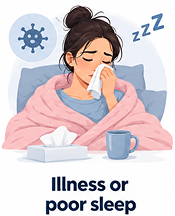
Illness or poor sleep: Fever, infections and disrupted sleep can shift your cycle.
Travel and routine changes: Time-zone changes or unusual schedules can delay ovulation.
Rule Out Other Causes First
If your period is late and pregnancy is possible, take a home pregnancy test before assuming stress is the cause. If it is negative, other common reasons include PCOS, thyroid problems, raised prolactin, a recent change in contraception and, later in life, perimenopause. A late period is not always stress, and a doctor at a centre like Candor IVF Center can help you tell the difference.
Easing Stress to Support Your Cycle
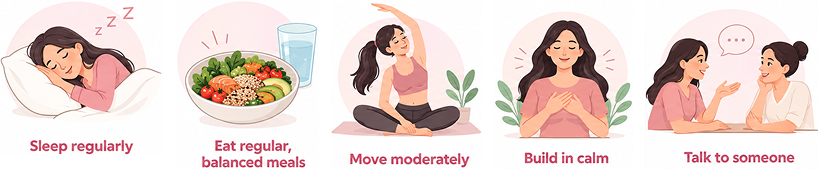
Sleep regularly: A steady sleep routine helps your hormones stay balanced.
Eat regular, balanced meals: Skipping meals or restricting food adds physical stress.
Move moderately: Walking, yoga or light exercise lowers tension without overloading the body.
Build in calm: Slow breathing, time outdoors or a hobby you enjoy can ease the daily load.
Talk to someone: Sharing worries with a friend, family member or counsellor often helps more than carrying them alone.
When to See a Doctor
Most stress-related delays settle once the pressure eases. Seek advice if you have gone three months without a period, your cycles are regularly much shorter or longer than usual, you have heavy bleeding or severe pain, or you are trying to conceive and your cycles are unpredictable. Booking sooner, avoids months of guessing.
How Candor IVF Center Evaluates Delayed or Missed Periods
When delays keep repeating, a doctor-led evaluation can separate stress from other causes. At Candor IVF Center, it begins with your history, including your cycle pattern, recent stressors, weight changes and any earlier pregnancies. Your doctor then selects tests according to your needs. A pregnancy test and an ultrasound of the uterus and ovaries are common first steps, and hormone tests for thyroid, prolactin or ovulation may be added. Follicular tracking can show whether you are ovulating on time. Not everyone needs every test, and sometimes the answer is simply support while your cycle recovers.
FAQ
How late can a period be because of stress?
Usually by a few days to a couple of weeks, although occasionally longer.
Can stress stop my period for a whole month?
Yes. A cycle can be skipped when ovulation does not happen.
Does a stress-related delay mean I am not ovulating?
It usually means ovulation came late. A follicular study at Candor IVF Center can confirm what is happening.
Can stress affect my chances of getting pregnant?
Short periods of stress rarely do, but long-term stress can disrupt ovulation and delay conception.
How do I know if it is stress or pregnancy?
Take a pregnancy test. Symptoms alone cannot tell the two apart.
Will my cycle return to normal on its own?
In most cases yes, once the stress eases and sleep, meals and routine settle.
A Cycle That Responds to Your Life
Your cycle is sensitive to what you are going through, and a late period during a hard month is a sign of a body paying attention, not a sign of failure. Look after your sleep, meals and mind, and watch how your cycle responds. If delays continue or you are planning a pregnancy, a conversation with a fertility specialist, can bring reassurance and a clear plan.

Dr. Jaydev Dhameliya is an IVF consultant and reproductive medicine specialist with over 17 years of clinical experience helping couples on their journey to parenthood. He holds an MBBS and DGO, and is a Fellow in Minimal Access Surgery (FMAS), a trained laparoscopic surgeon. As Founder and Director of Candor IVF, he specialises in IVF, infertility treatment, laparoscopic gynaecological surgery, and high-risk pregnancy management. Every article he authors or reviews reflects current medical evidence and his hands-on patient experience.