
Vaginal infections are very common, and many women put off getting them checked out of embarrassment or in the hope that the problem will pass. Most infections are simple to treat. A few, though, can quietly affect your reproductive organs if they are left alone. Knowing the difference helps you act early, and it is nothing to be ashamed of.
Table of Contents
ToggleNot Every Infection Affects Fertility the Same Way

Yeast infections
They cause itching and discomfort but do not usually harm fertility on their own, and they respond well to antifungal treatment.
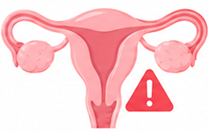
Bacterial vaginosis
This imbalance of vaginal bacteria is linked to a higher risk of pelvic infection and to pregnancy complications such as miscarriage and preterm birth.

Trichomoniasis
This sexually transmitted infection can cause inflammation and raises the risk of other infections, and it needs treatment for both partners.
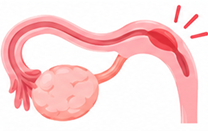
Chlamydia and gonorrhoea
These are the infections most closely tied to infertility. They often cause no symptoms at all, yet they can damage the fallopian tubes.

How an Infection Can Reach Your Fertility Organs
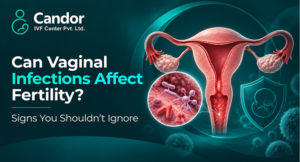
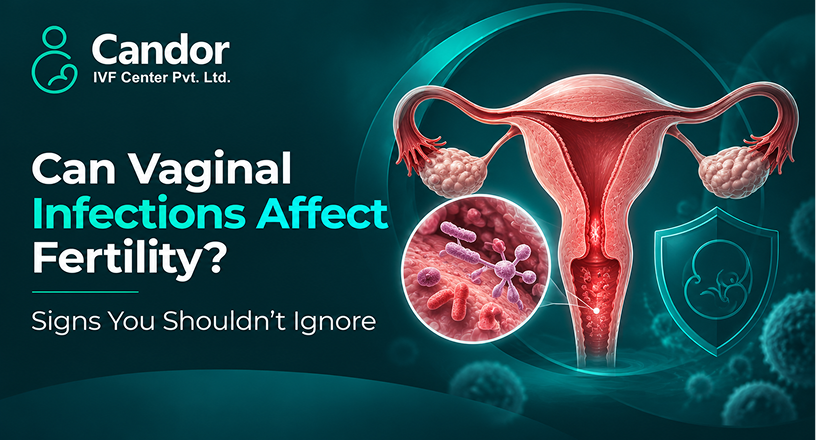
The vagina, cervix, uterus and fallopian tubes form one connected pathway. When an infection is not treated, bacteria can travel upwards from the cervix into the uterus and tubes, causing pelvic inflammatory disease. The inflammation can leave scars or block the tubes, which stops the egg and sperm from meeting and raises the risk of an ectopic pregnancy. The chance of lasting damage grows with delayed treatment and repeated episodes, which is why early care matters.
Signs You Shouldn't Ignore

Unusual discharge
A change in colour, thickness or smell, such as a grey, thin discharge with a fishy odour, or a frothy yellow-green one, deserves a check.

Itching or burning
Persistent itching, redness or burning in the vaginal area should not be ignored.
Pain during urination or sex
Discomfort in either situation can point to infection.

Pelvic or lower abdominal pain
A dull or ongoing ache may signal infection in the uterus or tubes.
Bleeding between periods or after sex
Unexpected bleeding is a reason to see a doctor.

Fever with pelvic pain
This combination needs prompt medical attention.

Getting Tested and Treated
Symptoms alone cannot reveal which infection you have, because several of them look similar. A doctor can confirm the cause with an examination and a swab or urine test, then prescribe the right antibiotic or antifungal. Finish the full course even when you feel better, and ask whether your partner needs treatment too, since this is necessary for some infections. Avoid self-medicating with leftover tablets, and do not douche. Douching washes away protective bacteria and is linked to a higher risk of infection.
Protecting Your Vaginal Health When Trying to Conceive

Screening before conception
Testing for common infections before you try to conceive lets any problem be treated early.

Protection with new or untested partners
Condoms lower the chance of sexually transmitted infections.

Gentle hygiene
Wash the outer area with water or a mild cleanser, wipe front to back, and avoid scented products inside the vagina.
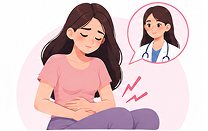
Attention to recurring infections
If an infection keeps returning, ask your doctor to look for the cause.

How Candor IVF Center Evaluates Infection-Related Concerns
If you have had repeated infections, pelvic pain or trouble conceiving, a doctor-led evaluation can look for any link. At Candor IVF Center, the evaluation begins with your history, including past infections, symptoms, your cycles and any earlier pregnancies. Your doctor then selects tests according to your needs. These can include an examination with swab tests, an ultrasound of the uterus and ovaries, and an imaging test of the fallopian tubes when the history suggests possible damage. Your partner may also be assessed. Not everyone needs every test, and treating a current infection often comes first.
FAQ
Can a yeast infection stop me from getting pregnant?
Not usually. It is treatable, although sex may be uncomfortable until it clears.
Can bacterial vaginosis cause infertility?
It is linked to pelvic infection and pregnancy complications, so it is worth treating, especially if it keeps coming back.
Can chlamydia affect fertility without any symptoms?
Yes. It is often silent, and untreated it can scar the fallopian tubes.
Should I treat an infection before trying to conceive?
Yes. Treating it first protects your fertility and a future pregnancy.
Are home remedies or douching safe?
No. Douching upsets the vagina’s natural balance and raises the risk of infection, so see a doctor instead.
Does my partner need treatment too?
For sexually transmitted infections and trichomoniasis, yes. Your doctor will advise for other infections.
Small Symptoms Deserve Attention
Most vaginal infections are common, treatable and nothing to hide. The ones that cause harm are usually those that go unnoticed or untreated for a long time. If you notice any of these signs, or you are preparing for pregnancy, a check-up now is far easier than treating damage later. A conversation with a fertility specialist, such as the doctors at Candor IVF Center, can help you understand your health and plan the next step.

Dr. Jaydev Dhameliya is an IVF consultant and reproductive medicine specialist with over 17 years of clinical experience helping couples on their journey to parenthood. He holds an MBBS and DGO, and is a Fellow in Minimal Access Surgery (FMAS), a trained laparoscopic surgeon. As Founder and Director of Candor IVF, he specialises in IVF, infertility treatment, laparoscopic gynaecological surgery, and high-risk pregnancy management. Every article he authors or reviews reflects current medical evidence and his hands-on patient experience.