

Diwali brings families together, and with them comes advice. Elders mean well when they tell a pregnant woman where to sit, what to eat and when to stay indoors. For women who are trying to conceive, the comments can feel heavier. This guide respects the traditions while separating what has a medical basis from what does not, so you can celebrate with confidence and without needless worry.
Table of Contents
ToggleWhat Families Often Say, and What Medicine Says
"A pregnant woman should not go out on Amavasya or Diwali night"
There is no medical link between the new moon and harm to a pregnancy. A quiet evening indoors is still sensible, though, because Diwali night brings crowds, noise and heavy smoke. The reason is practical, not spiritual.
"Fasting for the puja protects the baby"
Fasting does not protect a pregnancy. Long gaps without food or water can cause dehydration and low blood sugar, which can leave you dizzy and tired. If you wish to fast, speak to your doctor first, and keep meals small and frequent.
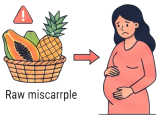
"Papaya and pineapple cause miscarriage"
Raw or semi-ripe papaya is generally advised against during pregnancy. Fully ripe papaya and pineapple in moderate amounts are considered safe by most doctors. No single fruit eaten in normal amounts causes a miscarriage.

Preterm birth and low birth weight
Polluted air is consistently linked to babies born too early or too small, and to breathing problems after birth.

The Beliefs That Carry a Hidden Harm
The last belief deserves extra care. When infertility is blamed on a woman’s karma or on a curse, she can be excluded from rituals, questioned in front of relatives or made to feel ashamed. Neither partner is to blame for a medical condition. Ignoring this stigma does not make it disappear, so it is worth speaking about openly in your family.
What the Science Does Support
Some festive cautions turn out to have a genuine basis, even when the explanation is different.
Avoiding smoke and noise
Cracker smoke is linked to preterm birth and low birth weight, so staying away from crowded, smoky areas is wise.
Resting and drinking enough water
Festival schedules can be tiring, and pregnancy needs steady rest and hydration.
Choosing fresh food
Pregnant women are more vulnerable to food-borne infections, so freshly cooked food is safer than leftovers kept for days.
Keeping antenatal appointments
Regular check-ups matter more than any ritual, and they do not need to pause for a festival.
How Candor IVF Center Responds to Fertility Concerns
Many couples arrive carrying advice from relatives and a good deal of self-blame. At Candor IVF Center, the evaluation begins with listening to your history as a couple, including your cycles, how long you have been trying and any earlier pregnancies. Your doctor then selects tests according to your needs, for both partners where relevant, such as an ultrasound, ovulation tracking and hormone tests for the woman and a semen analysis for the man. Not everyone needs every test. Finding the medical reason, where one exists, replaces blame with a plan.
FAQ
Can the evil eye cause infertility?
No. Infertility has medical causes, and many of them can be identified and treated.
Is it safe for a pregnant woman to fast on Diwali?
Long fasts are not usually advised in pregnancy. Speak to your doctor before deciding.
Should I avoid papaya and pineapple in pregnancy?
Avoid raw or semi-ripe papaya. Ripe papaya and pineapple in moderate amounts are generally considered safe, but check with your doctor.
Can I choose an auspicious date for my delivery?
Delivery timing should follow medical advice. Early delivery without a medical reason before 39 weeks can carry risks.
Is infertility always the woman's fault?
No. Male factors contribute in many couples, so both partners should be evaluated.
Can I take part in Diwali puja and gatherings during pregnancy?
Yes. Take care with smoke, crowds, food hygiene and rest.
Honour Tradition, Trust the Evidence
You do not have to give up the customs you love in order to protect a pregnancy. You only need to know which ones are cultural and which ones affect your health. If you are expecting, let your doctor guide the decisions that matter. If you are still hoping to conceive, a conversation with a fertility specialist, such as the doctors at Candor IVF Center, can replace uncertainty and blame with clear answers.

Dr. Jaydev Dhameliya is an IVF consultant and reproductive medicine specialist with over 17 years of clinical experience helping couples on their journey to parenthood. He holds an MBBS and DGO, and is a Fellow in Minimal Access Surgery (FMAS), a trained laparoscopic surgeon. As Founder and Director of Candor IVF, he specialises in IVF, infertility treatment, laparoscopic gynaecological surgery, and high-risk pregnancy management. Every article he authors or reviews reflects current medical evidence and his hands-on patient experience.