
What Is a Follicular Study? How Doctors Track Egg Development

What Is a Follicular Study How Doctors Track Egg Development

Dr. Jaydev Dhameliya

November 27, 2026

Last Updated – November 6, 2026

Medically reviewed and authored by Dr. Jaydev Dhameliya.

Calendars, ovulation kits and body signals can only suggest when you ovulate. A follicular study lets your doctor see it. It is one of the simplest and most informative tests in fertility care, and understanding how it works can make the process feel much less mysterious.

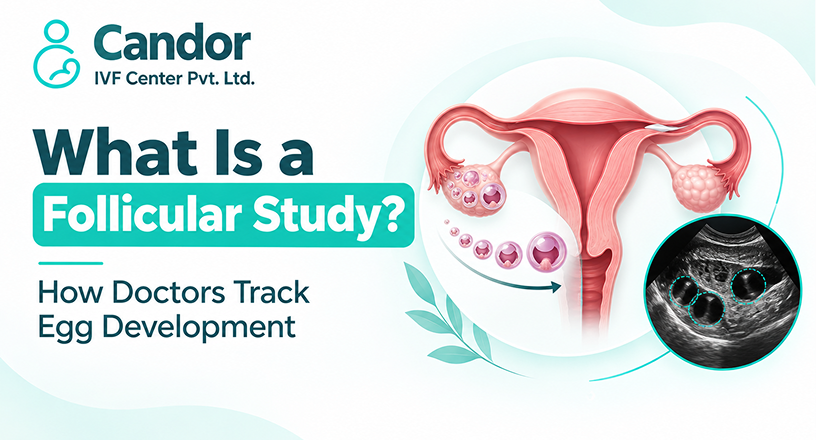
A follicular study, also called follicular monitoring or tracking, is a series of ultrasound scans done across one menstrual cycle. Each scan shows the follicles in your ovaries, the fluid-filled sacs that each hold an egg, and how they are developing. By repeating the scans over several days, your doctor can follow the growth of the leading follicle and see when it releases its egg.

What the Scans Look For

Follicle growth

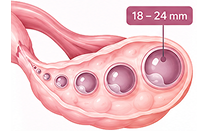
A dominant follicle grows steadily through the first half of the cycle and is usually around 18 to 24 mm when it is ready to release the egg.
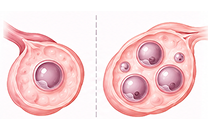
The number of follicles

One mature follicle is typical in a natural cycle. With fertility medication, several can develop, which matters for planning treatment safely.
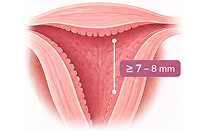
The uterine lining

The lining thickens as ovulation approaches, and a thickness of at least 7 to 8 mm is generally considered favourable for implantation.
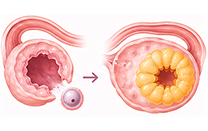
Confirmation of ovulation

A later scan can show that the follicle has collapsed and that a corpus luteum has formed, which confirms the egg was released.
How the Scans Are Scheduled

The plan depends on your cycle. A first scan is often done early in the cycle, around day 2 or 3, to check the ovaries. Another follows around day 8 to 10, and further scans are done every one to three days as the follicle approaches full size. A final scan confirms that ovulation has taken place. Most women need roughly three to five scans in a cycle, although the number varies.

What to Expect During a Scan

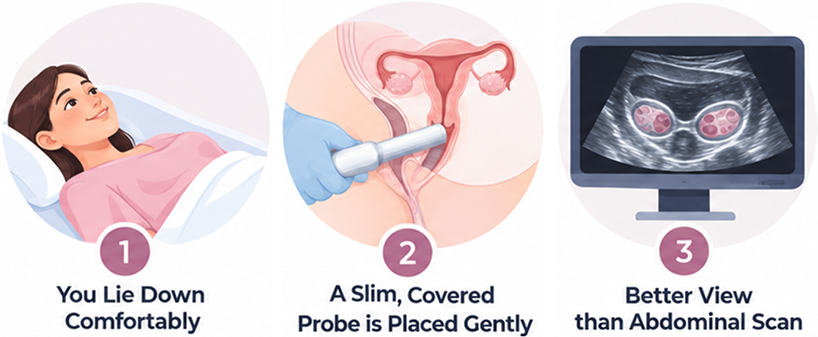
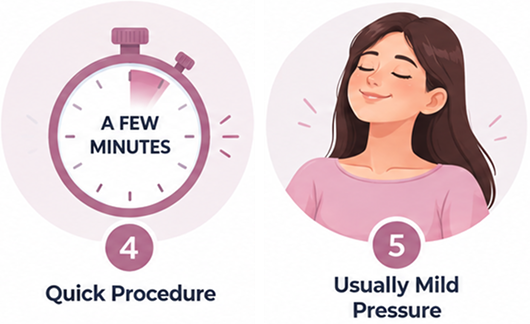
Most scans are transvaginal, which gives a clearer view of the ovaries than an abdominal scan. You lie down comfortably, a slim, covered probe is placed gently in the vagina, and the scan takes only a few minutes. Most women feel mild pressure rather than pain, and no sedation or special preparation is needed. Emptying your bladder beforehand adds to comfort.

What to Expect During a Scan-1
What to Expect During a Scan-2

Reading the Results

Your doctor measures the follicle at each visit. Steady growth of about 1 to 2 mm a day is typical, so the next scan can be planned accordingly. If a follicle grows slowly, stops growing or reaches full size without releasing its egg, your doctor can adjust the plan, perhaps with a change of medication or the timing of a trigger injection. A thin lining or an unusually large number of follicles will also be noted.

What a Follicular Study Cannot Tell You

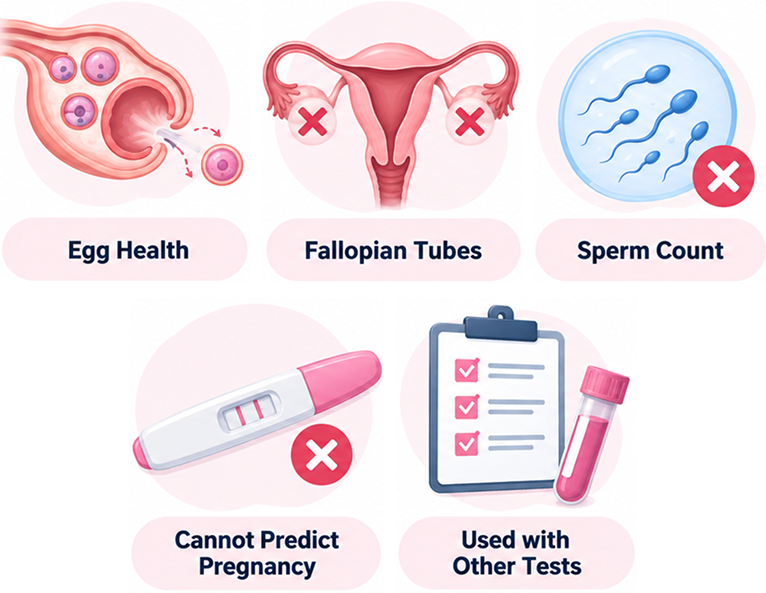
It shows that an egg is being released, but not how healthy the egg is. It does not check whether the fallopian tubes are open, or whether the sperm count is normal. For that reason it is used alongside other tests, and it cannot promise a pregnancy.

How Candor IVF Center Uses Follicular Tracking

Not every woman needs a follicular study, particularly if her cycles are regular and ovulation kits are giving clear results. At Candor IVF Center, the decision begins with your history, including your cycle pattern, how long you have been trying and any earlier pregnancies. Your doctor then selects tests according to your needs, which can include a follicular study along with hormone tests, a semen analysis for your partner and imaging of the tubes where indicated. Your doctor then explains each scan as it is done and what it means for timing.

FAQ

Is a follicular study painful?

No. Most women feel only mild pressure from the probe, and each scan takes a few minutes.

How many scans will I need?

Usually three to five in a cycle, although your doctor may advise fewer or more.

Do I need to take medication for it?

Not necessarily. Scans can track a natural cycle as well as one with ovulation medication.

When does the first scan happen?

Often between day 2 and day 10 of the cycle, depending on your doctor’s plan.

How big should a follicle be before ovulation?

Usually around 18 to 24 mm.

Does a follicular study guarantee pregnancy?

No. It shows when you ovulate, which helps with timing, but conception depends on other factors too.

Watching the Cycle Instead of Guessing

A follicular study turns an uncertain cycle into a clear picture. It shows whether you ovulate, when and how well your body is responding, which helps you and your doctor choose the right next step. If you have irregular cycles or have been trying for a while, ask a fertility specialist whether tracking could help you. 

Blogs