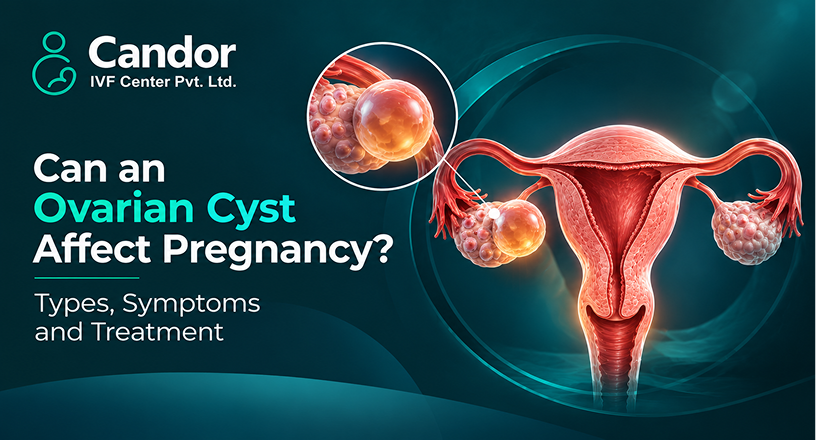

Can an Ovarian Cyst Affect Pregnancy? Types, Symptoms and Treatment

Can an Ovarian Cyst Affect Pregnancy Types, Symptoms and Treatment

Dr. Jaydev Dhameliya

November 17, 2026

Last Updated – November 5, 2026

Medically reviewed and authored by Dr. Jaydev Dhameliya.

Hearing the word “cyst” in a scan report can be unsettling, especially when you are hoping to conceive. The reassuring news is that most ovarian cysts are harmless and many never affect pregnancy. Whether a cyst matters depends on its type, its size and what lies behind it, and a specialist, such as the doctors at Candor IVF Center, can read your scan in the context of your fertility goals.

Types of Ovarian Cysts and Their Effect on Pregnancy

Functional cysts

Functional cysts

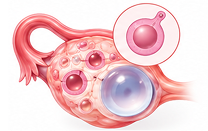
These are the most common type and form as part of the normal cycle. They usually disappear within a few cycles and do not harm fertility.
Endometriomas

Endometriomas

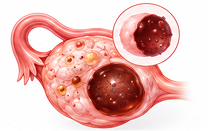
Often called chocolate cysts, these are linked to endometriosis. They can reduce ovarian reserve and make conception harder, so they need careful assessment by a fertility specialist, such as at Candor IVF Center.
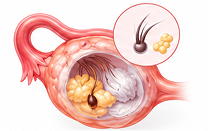
Dermoid cysts

These benign cysts rarely affect fertility directly, but they can grow large and may be removed if they cause symptoms.
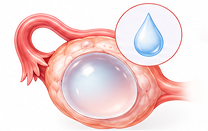
Cystadenomas

These benign, fluid-filled growths can become large and sometimes need removal.
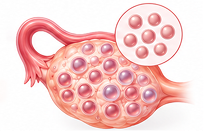
PCOS ovaries

PCOS ovaries

The "cysts" in PCOS are really many small follicles that did not mature. They are not true cysts, but the condition can disrupt ovulation and delay pregnancy.
Symptoms to Watch For

Many cysts cause no symptoms at all. When they do, you may notice:

Symptoms-3

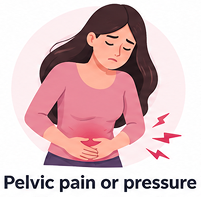
Pelvic pain or pressure: A dull ache on one side of the lower abdomen. A dull ache on one side of the lower abdomen.

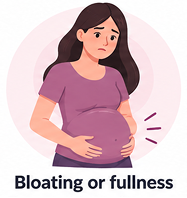
Bloating or fullness: Pressure in the abdomen, sometimes with frequent urination.

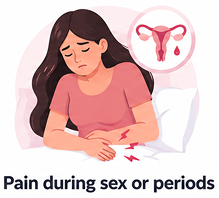
Pain during sex or periods: Discomfort that is new or worsening.

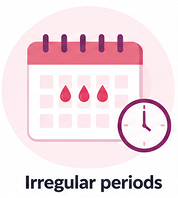
Irregular periods: Changes in cycle length or flow.

Seek urgent medical help if you have sudden, severe pain, fever, vomiting or dizziness. These can signal a cyst that has twisted or ruptured. For milder symptoms that persist, a check-up at a centre like Candor IVF Center is a sensible next step.

How Cysts Are Diagnosed

A pelvic ultrasound is the usual first test, and it shows the cyst’s size, position and appearance. Blood tests or other imaging may be added if the findings are unclear. Most cysts turn out to be benign, and the doctors at Candor IVF Center can explain what your report means. 

Treatment Options

Watchful waiting

Watchful waiting

Functional cysts are often monitored with a repeat scan after a few weeks, since many resolve alone.
Medication

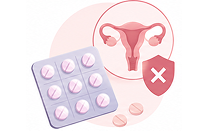
Medication

Some women are offered hormonal treatment to prevent new functional cysts, but this is not suitable when you are trying to conceive.
Surgery

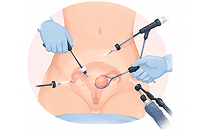
Surgery

It is usually kept for cysts that are large, persistent, painful or suspicious. Surgeons aim to remove the cyst while protecting healthy ovarian tissue.

Fertility-focused planning

Fertility-focused planning

If you want to conceive, treatment decisions weigh the cyst against your age and ovarian reserve, because surgery itself can reduce reserve. The team at Candor IVF Center can help you weigh these choices.

Cysts During Pregnancy

The most common cyst found in early pregnancy is the corpus luteum cyst, which supports the pregnancy and usually shrinks by the second trimester. Most cysts discovered in pregnancy are simply monitored with ultrasound. Larger ones can occasionally twist or rupture, so your doctor will follow them closely.

How Candor IVF Center Evaluates Ovarian Cysts

If a cyst has been found while you are trying to conceive, a doctor-led evaluation can show whether it matters. At Candor IVF Center, it begins with your history, including your cycles, any pain and any earlier pregnancies. Your doctor then selects tests according to your needs. An ultrasound shows the type and size of the cyst, and hormone tests, including those for ovarian reserve, may be added when the cause or the effect on your fertility is unclear. Not everyone needs every test. Your doctor then explains whether to monitor, treat or proceed with conception.

FAQ

Can an ovarian cyst stop me from getting pregnant?

Most do not. Some types, such as endometriomas, and conditions like PCOS can affect fertility, and a Candor IVF Center specialist can tell you which applies to you.

Do ovarian cysts go away on their own?

Functional cysts often disappear within a few cycles. Other types may need monitoring or treatment.

Does a cyst always need surgery?

No. Surgery is generally kept for large, persistent, painful or suspicious cysts.

Can I conceive naturally with a cyst?

Yes. Many women conceive with a cyst, particularly when it is functional or when the other ovary releases eggs normally.

Can removing a cyst affect fertility?

Surgery can reduce ovarian reserve, especially with endometriomas, so the decision should be made with a specialist such as the doctors at Candor IVF Center. 

Are ovarian cysts cancerous?

Very rarely. Most are benign, though any unusual or persistent cyst should be assessed.

Know the Type, Then Plan the Next Step

A cyst is a finding, not a verdict on your fertility, and many women go on to conceive without difficulty. If you have a cyst, or symptoms that point to one, an ultrasound and a conversation with a fertility specialist, such as the doctors at Candor IVF Center, can turn uncertainty into a clear plan.

Blogs

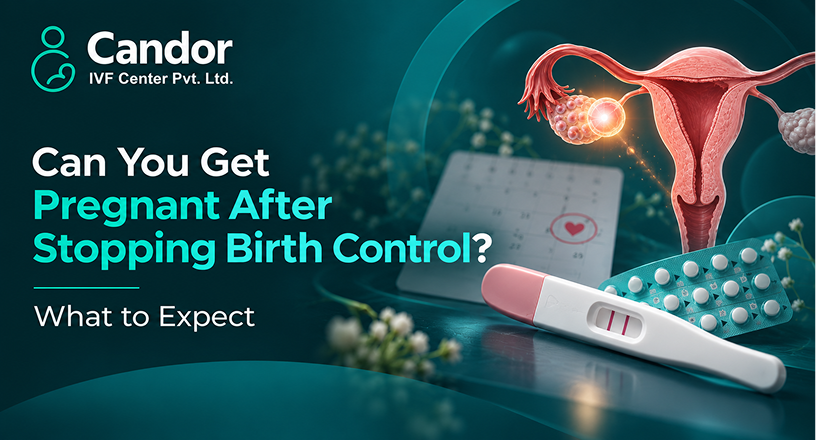
Can You Get Pregnant After Stopping Birth Control? What to Expect

Deciding to stop birth control is an exciting step, and it often comes with questions. Will conception happen quickly, or will your body need time to adjust? For most women the answer is reassuring. Contraception does not cause lasting damage to fertility, and the way your body responds depends on the method you used and on your own cycle.

Read More »

Can You Get Pregnant While Breastfeeding? What Women Should Know

Caring for a newborn leaves little room for guesswork about your fertility, yet new mothers often hear conflicting advice. Some are told breastfeeding prevents pregnancy, while others hear stories of a second baby arriving within months. The clear answer is that pregnancy is possible while breastfeeding, although breastfeeding can delay ovulation under certain conditions.

Read More »