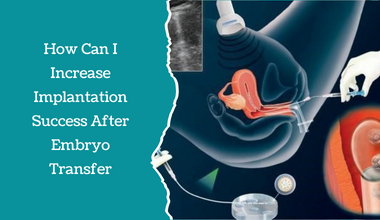

In today’s advanced technology, there is a treatment for all problems. This treatment can be done by passing a thin tube through the vagina and the cervix. During an embryo transfer, an embryo will be unrestricted into the cavity of the mother’s womb by using a very thin tube-like structure. The womb’s lining will have sudden changes to receive the embryo, and the changes are ambitious by hormones that can be either produced obviously or administered through medication. This will depend on the type of treatment, and there will be a lot of queries about the embryo transfer, and it is a time to increase your chances of healthy during pregnancy.
Table of Contents
ToggleWhat do you want to eat to help implantation?
In general, women need to have a diet chart during pregnancy, and there are a lot of fruits and vegetables, good sources of fibre, complex carbohydrates and protein. And there is certain food to avoid after embryo transfer which is a high risk, like cheese and fish with heavy metal content such as shark and marlin. It is more important to have a good intake of calcium, vitamins and minerals, and you need to make sure that you have a balanced intake of nutrients. It is important to stay hydrated during treatment, especially in the stages of implantation and pregnancy. While you are implantation process, you are recommended to drink two liters of water to have a clear image.
Can I work out after embryo transfer?
After implantation, you need to avoid some stretching exercise, and there is no evidence to support having a total bed rest, which helps improve implantation rates. And you can do simple homework after embryo transfer, and total bed rest will avoid the other health risks. If you decide to return to your normal lifestyle, you need to take it a little bit easy and have a break for enough relaxation. You need to wait for two-week before embryo treatment and a pregnancy test is a perfect time to look for yourself. Nowadays, fertility treatment is painful and stressful, and there will be an adverse effect of stress during the fertility process. And it is more important to keep you relaxed in what way it is suitable for you such as yoga, meditation which is more helpful to remove your stress.
Have you preferred any sleeping position after the embryo transfer?
Sleep is very healing and is used to repair all body parts. And sleeping contributes to having a healthy pregnancy which depends on the sleeping pattern. You can indicate that a person will sleep for more than 7 hours, and it will be high chances of success after the IVF treatment. So there is no sleeping position after embryo transfer, and the doctor will recommend having melatonin for both the IVF success and to improve your deep sleep after implantation. The embryo will be transferred when the womb is ready, and the lining will be so soft and thick to have ideal embryo implantation. And the reproductive cycle will help increase the odds of implantation, and it will be a good idea to discuss melatonin with your doctor.
Is there anything you need to take after the embryo transfer?
First, you need to have a pre-plan for the medication that you need to take through your IVF treatment. You need to ensure continued meditation, which can include luteal support drugs and folic acid. At your first appointment, you need to ask about your meditation which you have done before the IVF treatment. Your IVF consultant will advise you about meditation which can affect your IVF treatment, conception or pregnancy. People used to ask about taking pain during meditation, and you are recommended to take paracetamol at the prescribed dose. And it is a long-term process unless you need to discuss it with your doctor. First, you need to note that your advisor knows about meditation and discuss specific meditation.
Moreover, fertility treatment will be stressful, and you need to stay healthy and relaxed during implantation treatment.
Frequently Asked Questions
Q1: How can I increase implantation success after embryo transfer?
A1: Follow prescribed medications, rest for 48 hours, eat protein-rich foods, stay hydrated, avoid heavy exercise, manage stress, and maintain a positive mindset during the two-week wait.
Q2: Does bed rest improve implantation after IVF?
A2: Complete bed rest is not necessary and may even be counterproductive. Light rest for 1-2 days followed by normal light activities is recommended. Avoid strenuous work and heavy lifting.
Q3: Which foods help embryo implantation?
A3: Pineapple core (contains bromelain), walnuts, pomegranate, eggs, leafy greens, and warm soups are believed to support implantation. Avoid cold foods, raw meat, and excessive caffeine.
Q4: Can stress prevent embryo implantation?
A4: High stress levels can release cortisol which may affect uterine receptivity. Practice deep breathing, meditation, light walks, and avoid overthinking during the two-week wait period.
Q5: When does embryo implantation occur after transfer?
A5: Implantation typically occurs 6-10 days after embryo transfer. Day 3 embryos take slightly longer than Day 5 blastocysts. A pregnancy test is usually done 10-14 days post-transfer.